

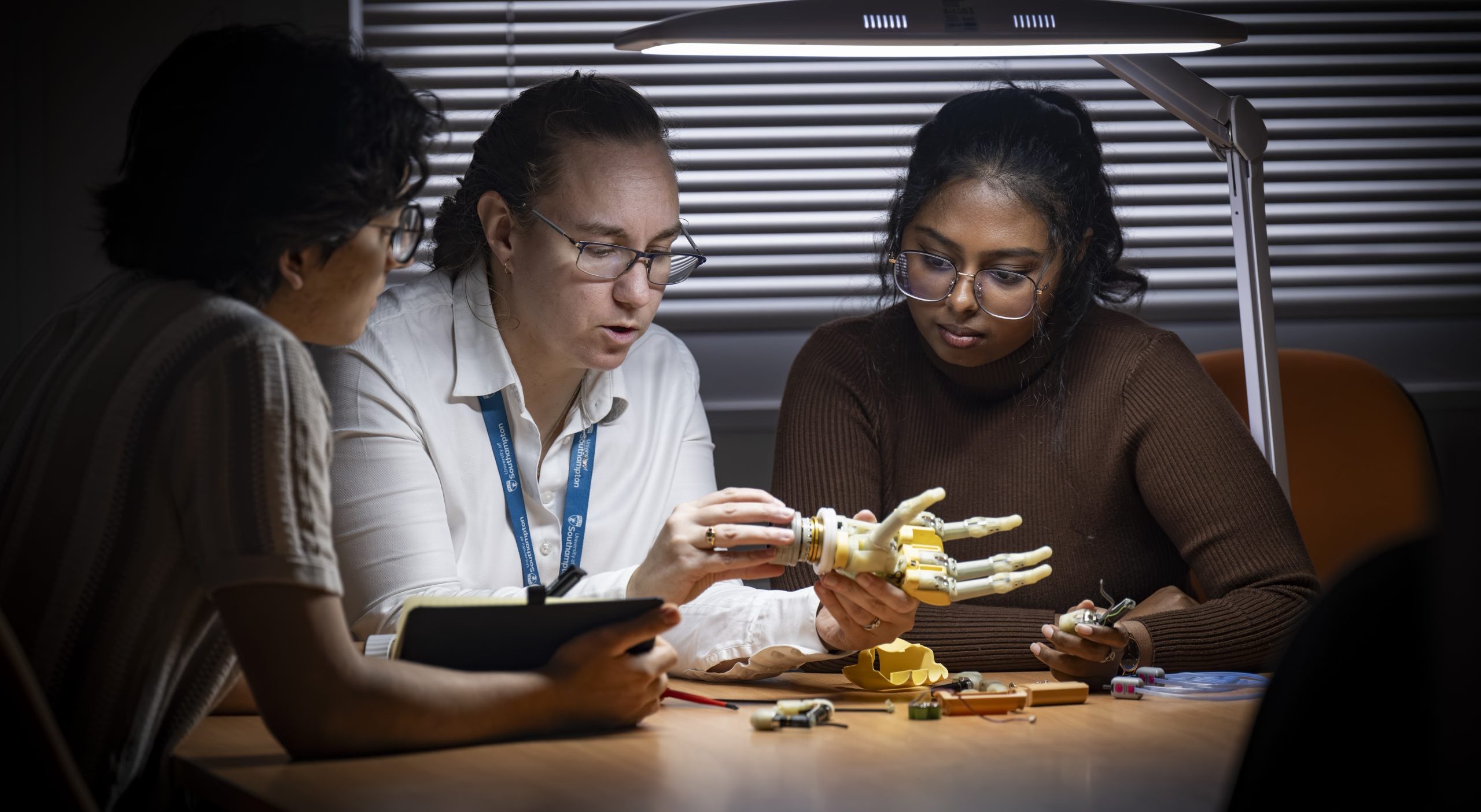
MTID contains world-leading research groups working at the cutting edge of medical technology
Global Musculoskeletal Healthcare & Innovation Research Group
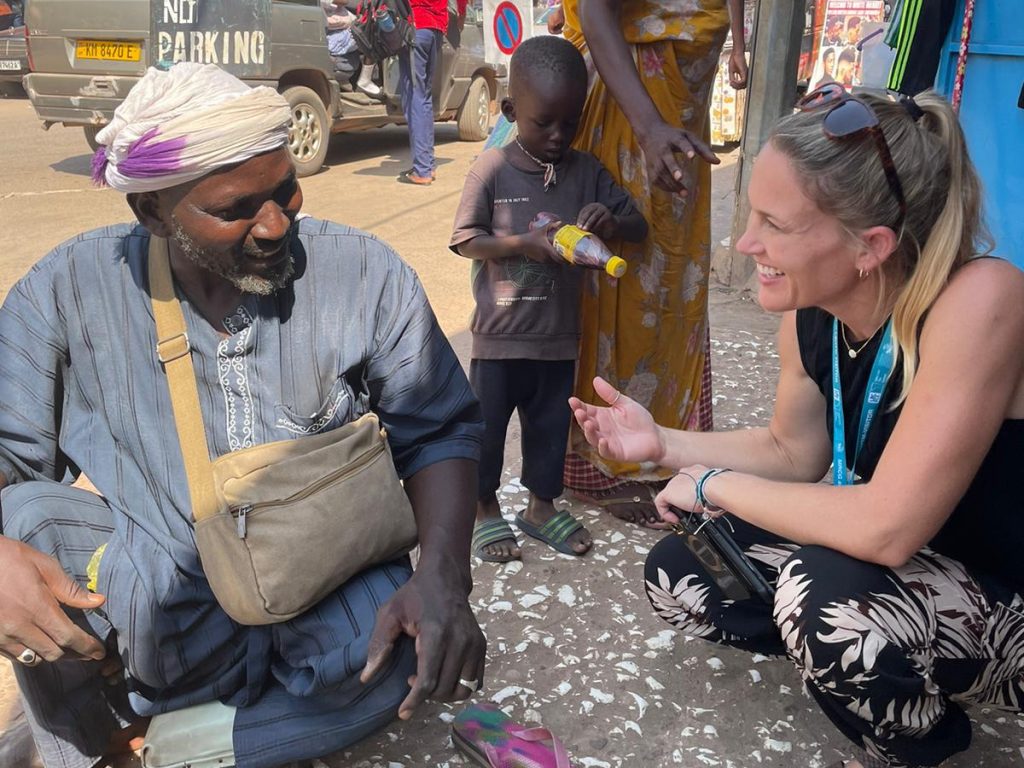
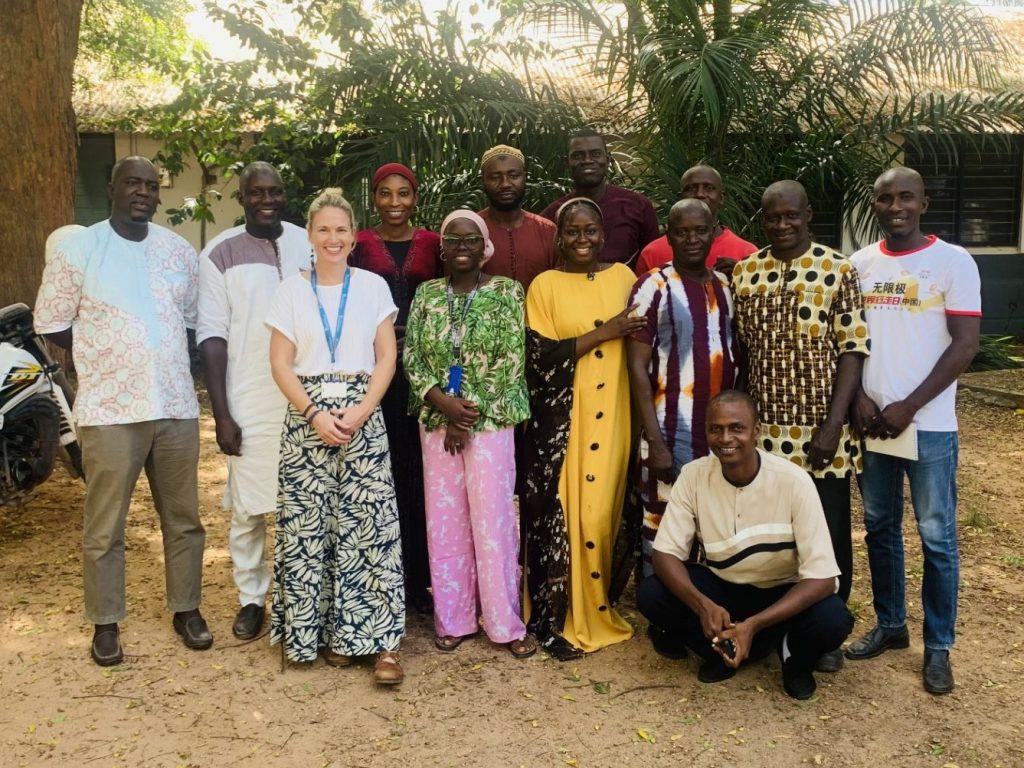
Our research focuses on equitable access to rehabilitation and assistive technology, improving functional ability in Sub Saharan Africa, and musculoskeletal healthcare capacity building in low-resource settings
Equitable access to Rehabilitation and Assistive Technology
Partnering with NGOs and research teams we are taking an interdisciplinary approach to the use of routinely collected data in understanding access, maintenance, repair and replacement of prosthetic limbs in low-middle income countries. Drawing upon our teams clinical, methodological and applied skills in demography, social science, epidemiology and engineering we aim to support the ethical use of data to improve prosthetic service delivery and access in countries such as Cambodia, Gambia (and other West African countries) and Iraq.
In collaboration with the Fractures-E3 study, we are leading a WHO rapid Assistive Technology Assessment (rATA) population-based household survey, to measure the need, demand, supply, user satisfaction, and barriers to accessing assistive technology in The Gambia. Furthermore, we are collaborating with WHO to support the measurement of effective coverage of rehabilitation. Specifically, we are assessing the diversity in professions accessed for rehabilitation of chronic back pain in The Gambia.
With our Nepali partners, the Centre for Research on Environment Health and Population Health Activities (CREHPA), we are leading an interdisciplinary initiative between Social Sciences and Engineering to build address the global impact of lower limb conditions. The aim is to achieve this through a programme of research that seeks to i) Estimate the prevalence of LLC in Nepal ii) estimate the individual, societal and healthcare impact of LLCs in Nepal iii) co-design of healthcare solutions to support access to assistive technology and rehabilitation for people with lower limb conditions in low resource settings.
People/partners/collaborators:
Dr Lucy Gates (Faculty of Medicine, UoS)
Professor Amos Chanon (Faculty of Social Sciences, UoS)
Professor Alex Dickinson (Faculty of Engineering and Physical Sciences, UoS)
Fractures E3 (Professor Celia Gregson, University of Bristol and The Health Research Unit Zim (THRU ZIM) and Professor Kate Ward MRC LEC, University of Southampton and MRC Gambia)
STAND (Previously Legs 4 Africa)
International Committee of the Red Cross (ICRC)
Centre for Research on Environment Health and Population Health Activities (CREHPA)
People Powered Prosthetics (P3)
WHO (Rehabilitation 2030 Initiative)
Improving functional ability in Sub Saharan Africa
We collaborate with the Musculoskeletal Global Health Research Group in FoM, led by Professor Kate Ward. This work is built upon our collaborative work in bone health and ageing with the NIHR, Wellcome and MRC funded Fractures in sub-Saharan Africa: Epidemiology, Economic Impact and Ethnography Study (Fractures-E3) and Musculoskeletal Functional Ability in Sub-Sahrah Africa Study (MUFASSA).
People/partners/collaborators:
Dr Lucy Gates (Faculty of Medicine, UoS)
Professor Kate Ward (Faculty of Medicine, UoS)
Fractures E3 (Professor Celia Gregson, University of Bristol and The Health Research Unit Zim (THRU ZIM) and Professor Kate Ward MRC LEC, University of Southampton and MRC Gambia)
The Sub-Saharan African MuSculOskeletal Network (SAMSON)
MRC Gambia @LSHTM
Musculoskeletal Healthcare Capacity building in Low Resource Settings
Building upon our musculoskeletal work in SAA, we are establishing a programme aligned to the application of stakeholder engagement, that aims to integrate traditional and modern medicine to enhance the capacity of musculoskeletal healthcare services in West Africa.
People/partners/collaborators:
Dr Lucy Gates (Faculty of Medicine, UoS)
Awa Touray South Coast DTP PhD student, University of Southampton
Fractures E3 (Professor Celia Gregson, University of Bristol and The Health Research Unit Zim (THRU ZIM) and Professor Kate Ward MRC LEC, University of Southampton and MRC Gambia)
MRC Gambia @LSHTM
Additionally, we are expanding our approaches to education and research with the integration of stakeholder engagement for the co-design of innovative healthcare solutions in low resource settings. We collaborate with international organisations (STAND, International Federation of Musculoskeletal Research Societies [IFMRS], Ageing with a Smile), institutions (University of Bristol, University of Kwazulu-Natal, Biomedical Research and Training Institute Zimbabwe, UFMG Brazil, Malaysia campus UoS) and partnerships with hospitals (Edward Francis Small Teaching Hospital, The Gambia) and research units (CREHPA Nepal, MRC Gambia). International research capacity building plays a large role in our continued efforts to nurture this growing cohort of partners.
Continuing partnerships with local university groups such as People Powered Prosthetics, Fortisnet and Global Health Community of Practice will work towards the formation of a Global Mobility Innovation hub, to accelerate research, knowledge exchange and innovation in the co-design of technologies, projects, programmes and education to overcome inequalities in access to musculoskeletal healthcare resources in low resource settings.
MTID members:
Dr. Lucy Gates (Group leader)
Other members:
Prof. Kate Ward (Uni. Southampton), Prof. Amos Chanon (Uni. Southampton), Prof. Alex Dickinson (Uni. Southampton), Awa Touray (Uni. Southampton) & Prof. Celia Gregson (Uni. Bristol & The Health Research Unit Zimbabwe)
The EHS Research Group
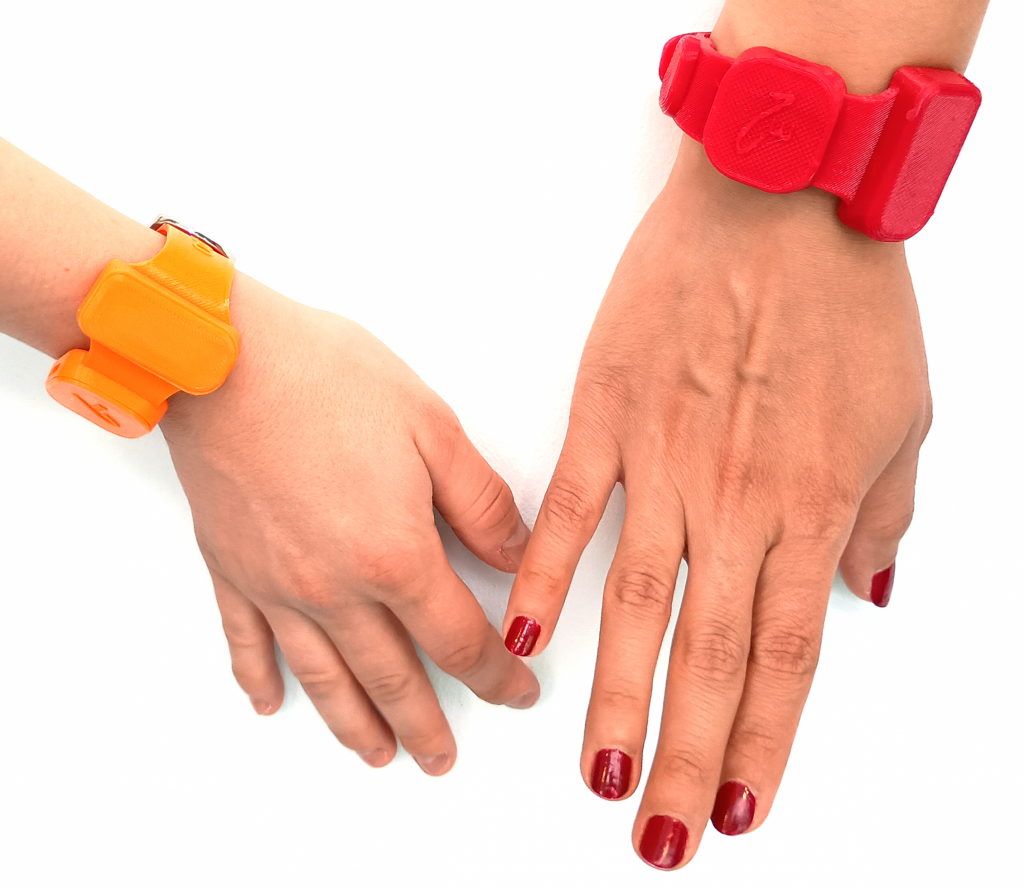
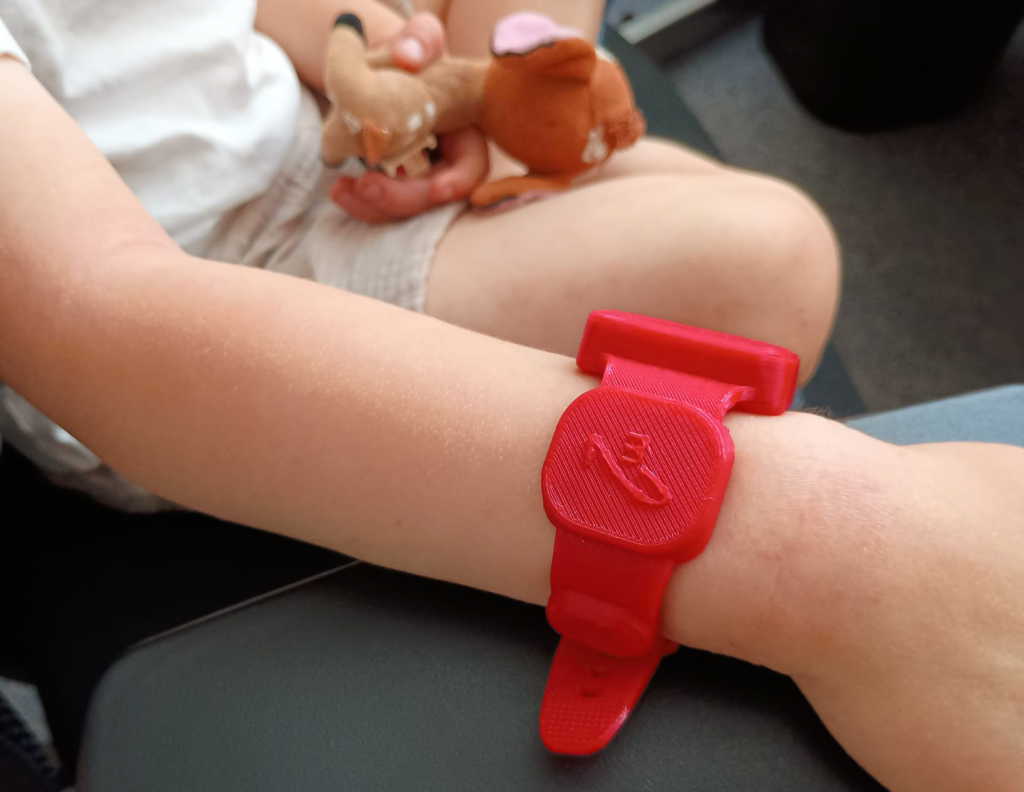
The EHS group focus on developing haptic devices to support people with hearing loss
The EHS Group are involved in a range of research projects, exploring whether vibration can be used to enhance speech, music perception, and spatial hearing for people with hearing loss (including hearing aid and cochlear implant users). This includes both work exploring the limits of the human tactile and auditory systems, work with clinical populations, and the development of new haptic technologies to assist listening.
The group is also involved in projects exploring a new low-cost bone-conduction hearing device to aid those in low-resource settings and in work developing a new low-cost virtual-acoustics system that has a small-footprint for realistic audiological assessment.
Current academic partners for the group include Oticon and Cirrus Logic, and academic partners include the University of Cambridge and the University of Rochester.
MTID members:
Dr. Mark Fletcher (Group leader), Dr. Ihor Sobianin (Electonics & manufacturing specialist), Prof. Carl Verschuur (Clinical & speech specialist), Dr. Simant Prakoonwit (AI specialist), and Prof. Cheryl Metcalf (Design and regulation specialist)
Other members:
Dr. Felix Langfeldt (Institute of Sound & Vibration Research, UK), Prof. Edmund Lalor (Uni. Rochester, USA), Prof. Matt Dye (Rochester Institute of Technology, USA), Dr. Aaron Nidiffer (Uni. Rochester, USA), Dr. Tobias Goehring (Uni. Cambridge), Dr. Alan Sanderson (Brighton & Sussex Medical School, UK) & Prof. Mood Bhutta (Brighton & Sussex Medical School, UK)
AI in Medicine & Healthcare Research Group
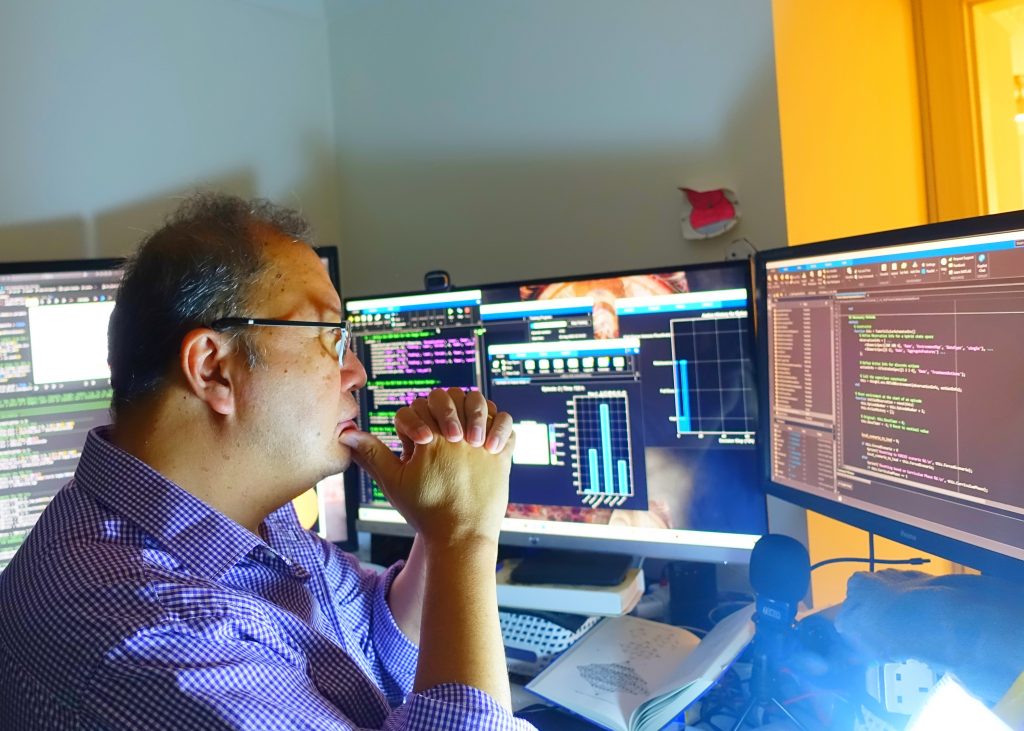
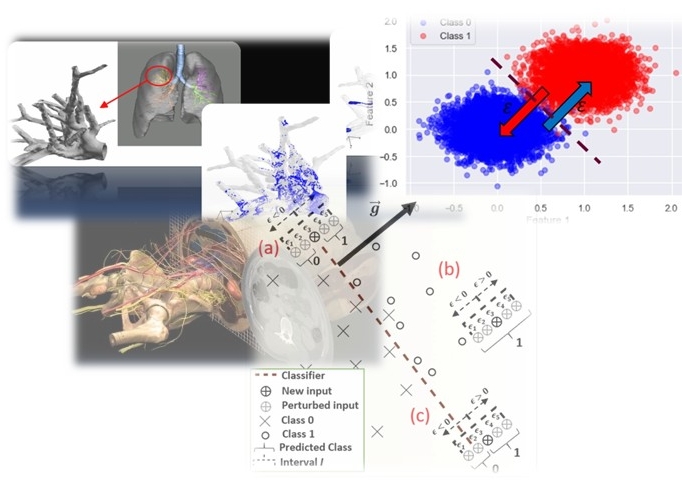
Led by Dr. Simant Prakoonwit, the AI in Medicine and Healthcare Research Group at the School of Healthcare Enterprise and Innovation, University of Southampton, is pioneering the development of intelligent systems that transform how we diagnose, treat, and care for patients.
Drawing on over two decades of Dr Prakoonwit‘s expertise spanning artificial intelligence, machine learning, and biomedical engineering, including award-winning work on human airways modelling and patented medical screening technologies, the group aims to bridge the gap between cutting-edge academic research and real-world applications
We also promote AI for Good, applying intelligent technologies to improve lives across society, from assistive technologies that enhance mobility and independence for people with visual impairments to AI-powered tools that create safer digital environments.
We address complex challenges at the intersection of technology and human well-being, whether developing next-generation medical devices, creating immersive simulations for healthcare training, or deploying machine learning to support communities and small enterprises.
Recently, our AI for Good work has been chosen as one of the best by Innovate UK and is featured on the Innovate UK Success Stories website: “Protecting image-sharing users from inappropriate content with AI”
Success stories
Protecting image-sharing users from inappropriate content with AI
The group welcomes researchers, clinicians, students, and partners who share our vision of harnessing artificial intelligence responsibly and inclusively to advance health, safety, and quality of life for all.
MTID members:
Dr. Simant Prakoonwit (Group leader), Prof. Carl Verschuur, Prof. Cheryl Metcalf, Dr. Lucy Gates
Clinical Innovation and Impact Team (CIIT)
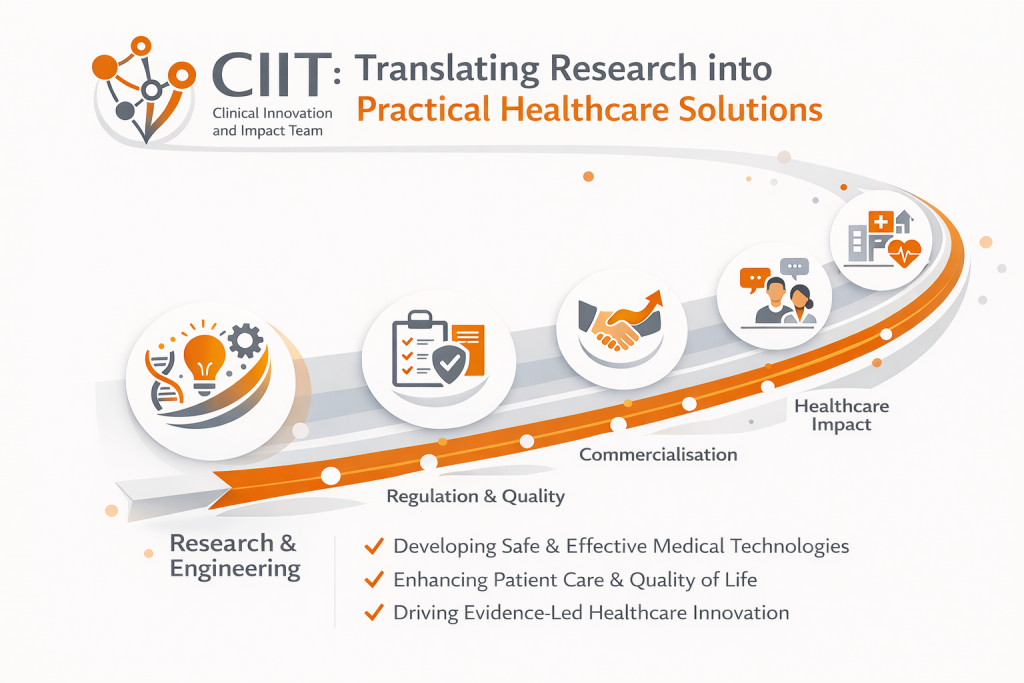
CIIT is a multidisciplinary group focused on translating research and clinical insight into practical healthcare solutions.
Bringing together expertise in engineering, life sciences, clinical practice, regulation, commercialisation, patient engagement, and impact, CIIT works across clinical specialties to support the development of safe, effective, and impactful medical technologies. The team’s overarching aim is to improve patient care, enhance quality of life, and strengthen healthcare delivery through evidence-led innovation.
MTID members:
Dr. Ali Mosayyebi (Group Lead), Prof. Cheryl Metcalf, James Eustice, Prof. David Bream, Dr. Kam Pooni
People Powered Prosthetics
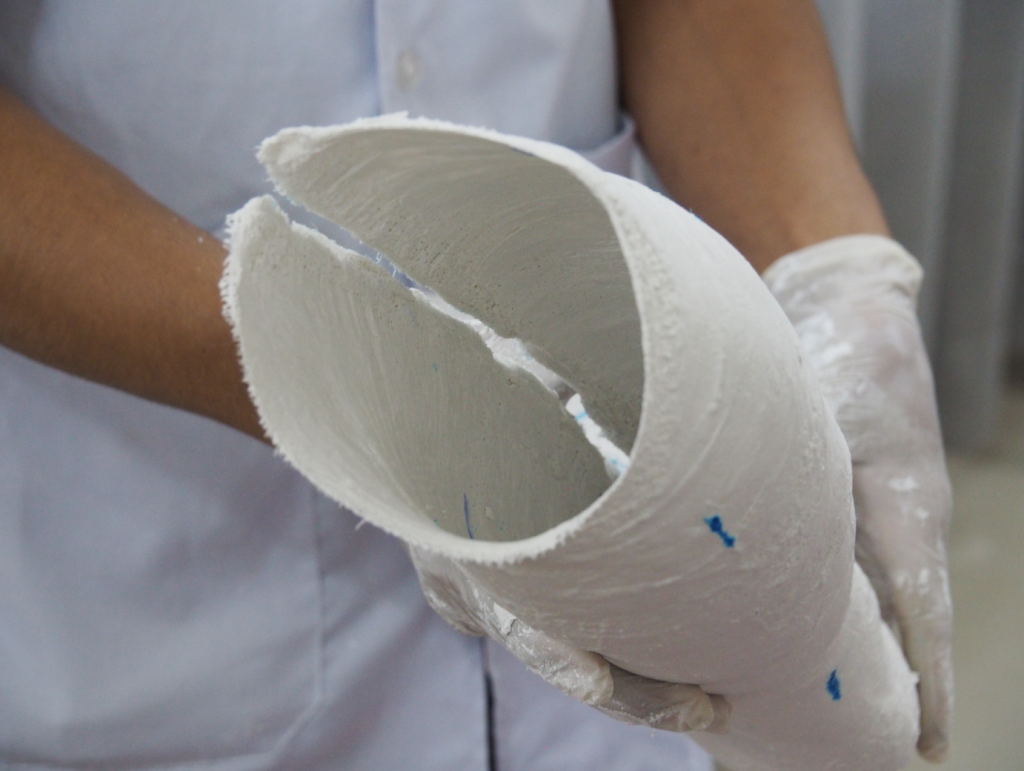
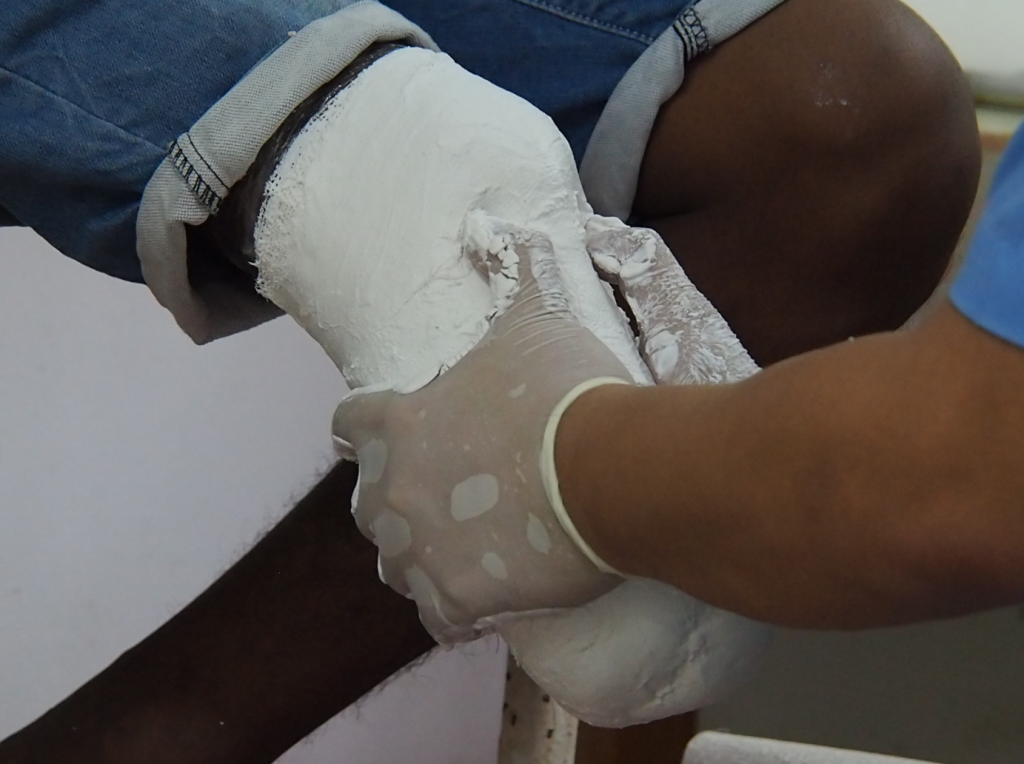
Using research to improve the lives, limbs and rehabilitation of anyone effected by limb loss
People powered prosthetics is a global group of researchers, clinicians, prosthetic wearers, academics and engineers who are committed to using research to improve the lives, limbs and rehabilitation of anyone effected by limb loss.
We believe strongly that P&O research should be multidisciplinary, with contributors from the healthcare profession, service user / patient groups and policymakers, as well as the academics and technicians. We have assembled a team of people from engineering, health sciences, healthcare psychology, computer science, P&O education and service delivery, and business modelling, to ensure that these stakeholders all have their voices heard.
MTID members:
Prof. Cheryl Metcalf (Biomechanics specialist), Dr. Lucy Gates (global musculoskeletal health specialist) & Prof. Maggie Donovan-Hall (health psychology specialist)
Other members:
Prof. Alex Dickinson (Uni. Southampton) & Dr. Gary Wills (Uni. Southampton)
Biomedical Energy Harvesting, Sensing & Feedback Group
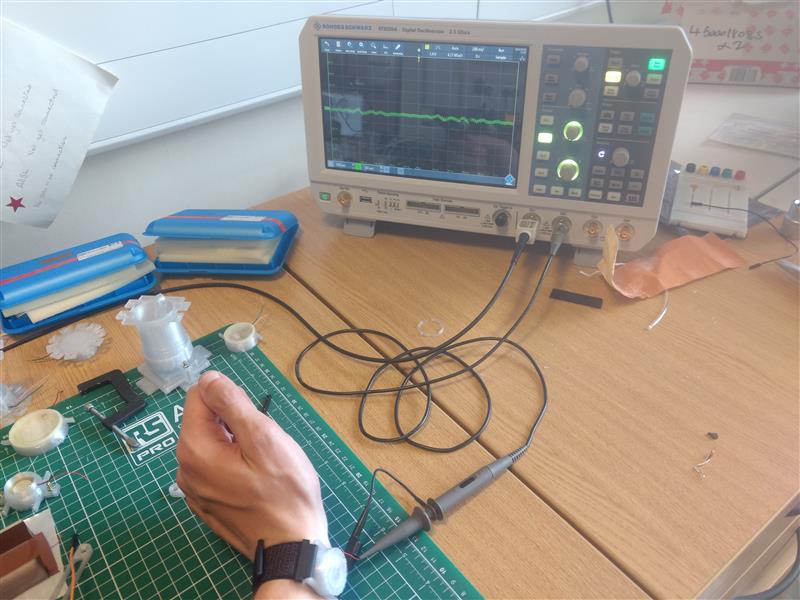
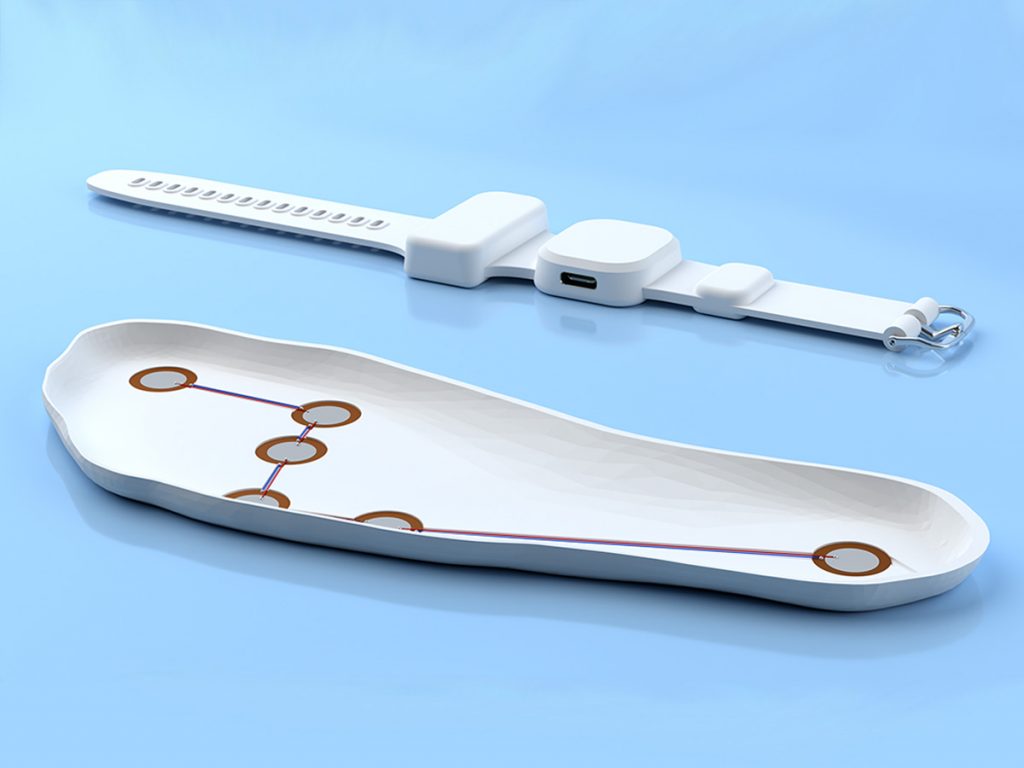
Focusing on biomedical harvesting energy from the human body to power medical devices, sensing (e.g., pressure), and feedback (e.g., haptics) for applications such as lower-limb rehabilitation.
MTID members:
Dr. Ihor Sobianin (Group leader), Dr. Mark Fletcher (Wearable devices specialist) & Prof. Carl Verschuur (Implantable devices specialist)
Auditory Implants Research Group
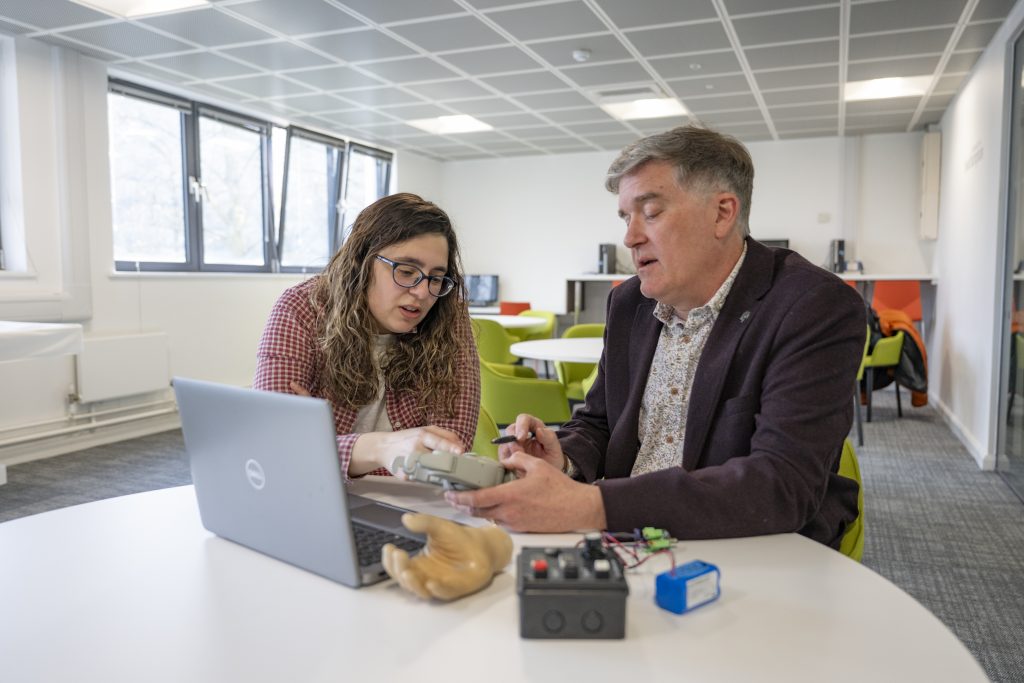
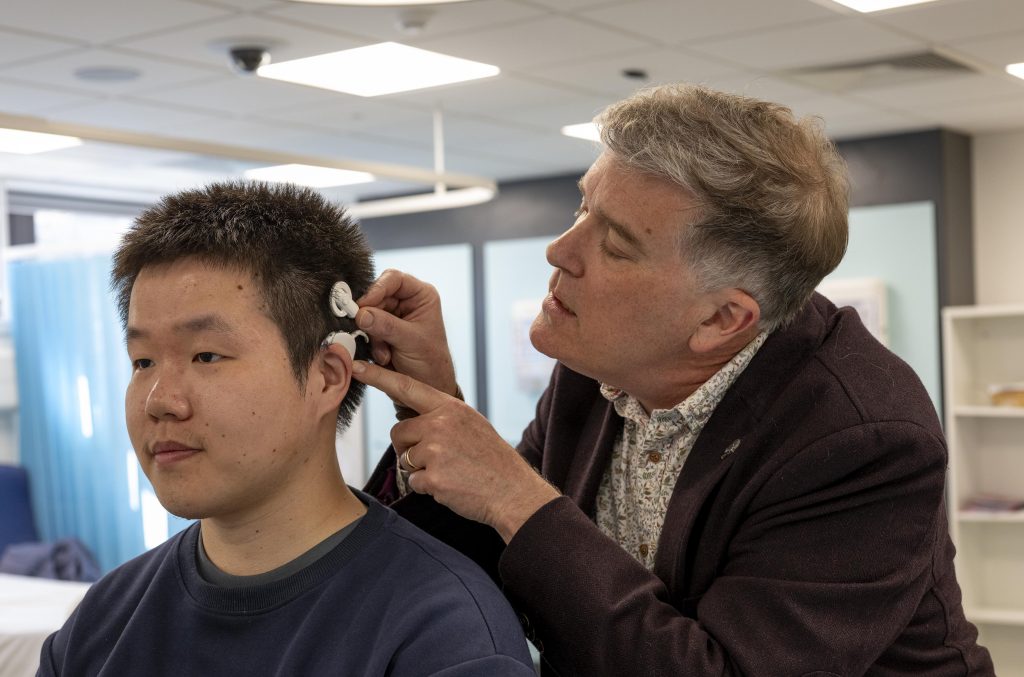
Focusing on improving outcomes for users of auditory implants, such as cochlear implants.
MTID members:
Prof. Carl Verschuur (Group leader) & Dr. Mark Fletcher (Wearable devices specialist)
Other members:
Prof. Tracy Newman (Institute for Life Sciences, UK) & Dr. Mary Grasmeder (University of Southampton Auditory Implant Service, UK)